Elevating Cooperation and Participation through Well-Integrated Remote Communication Technologies in Meeting Spaces
Wiki Article
Telepresence platforms have revolutionized the way companies hold discussions and group activities. Modern telepresence systems allow attendees to connect efficiently across multiple sites, closing geographical barriers that once restricted joint work. High-quality sound and visual capabilities ensures that discussions are not only perceived but also clearly represented, which supports groups retain focus and participation. With integration of these platforms into discussion areas, organizations can mimic physical meetings, allowing remote collaboration more effective. Moreover, telepresence platforms often include capabilities such as screen sharing, editing, and digital boards, which enhance the ability to manage detailed tasks in real time.
The configuration of a discussion area has a important part in the effectiveness of telepresence solutions. Effective illumination, acoustics, and chair placement add to a more immersive remote session. For instance, balanced illumination eliminates shadows and enhances visual output, while audio optimization prevent reverberation and ambient sound, improving voice transmission. Comfortable chairs and thoughtfully arranged workspaces allow team members to stay focused during prolonged discussions. These design factors, together with advanced systems, establish a space that promotes active participation and consistent engagement.
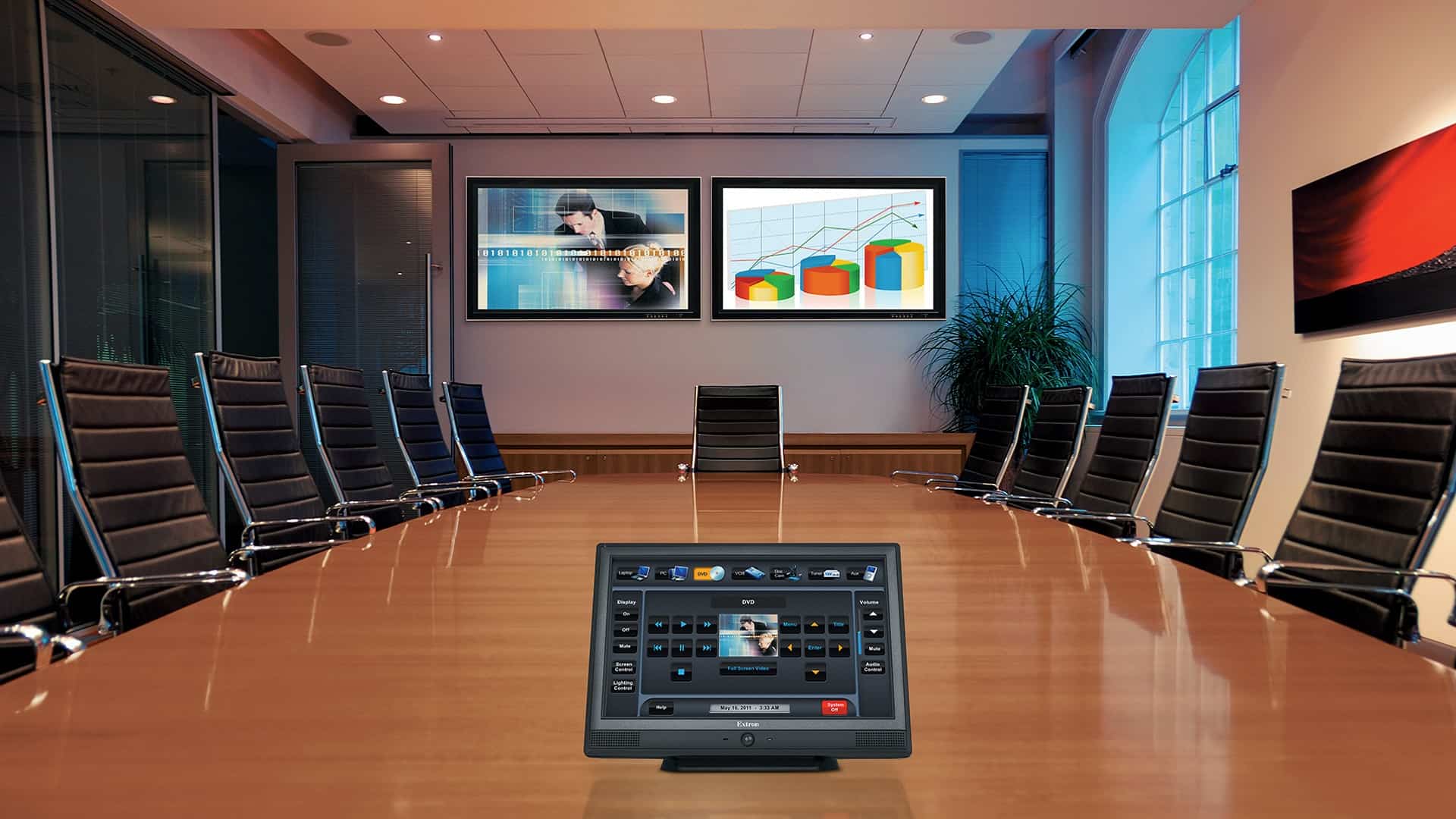
Effective systems also rely on intuitive controls and clear operation. When participants can easily control meetings, switch between display settings, or exchange documents without technical difficulties, discussions proceed more smoothly. Support and support are also critical, as even the most sophisticated platforms will struggle if users are uncertain about their use. Companies often establish standard operating procedures for telepresence meetings, describing optimal procedures for initiating calls, sharing content, and facilitating contributions from all team members. These guidelines support consistent engagement and minimize disruptions during team meetings.
Synchronization with other collaboration tools improves telepresence solutions in meeting spaces. For example, linking systems with workflow platforms, cloud storage, or messaging tools allows teams to get information and share updates immediately. Interactive functions like cooperative boards, live polls, and instant messaging support advanced sound system installation active involvement, ensuring that remote and in-person participants participate fully in meetings. These connections improve productivity, reduce redundancies, and ensure coordination among staff, regardless of their physical location.
Ultimately, companies that invest in advanced telepresence solutions achieve measurable improvements in both cooperation and engagement. Staff report greater contentment, quicker resolutions, and better project outcomes when interaction is smooth and inclusive. With a web link combination of advanced technology, optimized environments, user-friendly operation, and strategic integrations, organizations build an environment where participants feel connected, aware, and motivated to contribute. Gradually, these improvements result in enhanced teamwork, increased creativity, and a more collaborative environment generally.